Fibreglass is one of the most versatile materials used across construction, marine, automotive and DIY applications. From flat roofs and pond linings to boat repairs and mould making, the right fibreglass supplies make the difference between a long-lasting professional finish and a costly failure. This guide explains exactly what fibreglass supplies you need and why each component matters.
Choosing the correct materials from the outset saves time, reduces waste and ensures your project performs as intended. With quality supplies, fibreglass offers exceptional strength, water resistance and durability while remaining lightweight and easy to shape. Whether you are a trade professional or a first-time user, understanding the role of each product helps you work more efficiently and safely.
Many fibreglass problems can be traced back to poor preparation or incompatible materials. Using the wrong resin, incorrect matting weight or inadequate tools can lead to weak laminates, surface defects or premature failure. These issues often require full removal and reapplication, increasing costs and downtime.
By following this complete guide and sourcing your materials from a trusted supplier such as Fibreglass Supplies Ltd, you can avoid common pitfalls and achieve reliable, high-quality end results. The checklist below covers the essential fibreglass supplies required for most GRP projects, along with the benefits of choosing the right products.
#1 Polyester Resin
Polyester resin is the most widely used resin for general fibreglass applications. It offers strong bonding, fast curing times and excellent durability for roofing, repairs and moulding. It is also cost-effective, making it ideal for both trade and DIY projects.
#2 Epoxy Resin
Epoxy resin provides superior strength, flexibility and adhesion compared to polyester. It is commonly used for structural repairs and marine applications where maximum performance is required. Epoxy also offers excellent resistance to moisture and reduced shrinkage.
#3 Fibreglass Chopped Strand Mat
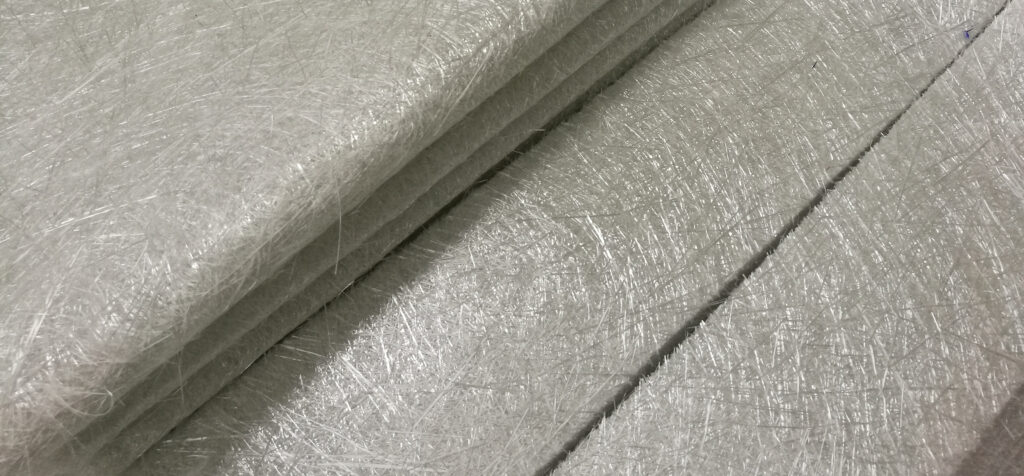
Chopped strand mat forms the structural backbone of most fibreglass laminates. It builds thickness and strength while conforming easily to curves and corners. Available in multiple weights, it allows control over laminate strength and build-up.
#4 Fibreglass Woven Cloth
Woven cloth delivers high tensile strength and a smoother finish than chopped strand mat. It is often used where structural integrity is critical or where a refined finish is required. This makes it ideal for boats, panels and reinforcement layers.
#5 Gelcoat
Gelcoat provides the protective outer surface of a fibreglass project. It creates a smooth, durable and weather-resistant finish that protects against UV exposure and moisture. Gelcoat is essential for both appearance and longevity.
#6 Topcoat
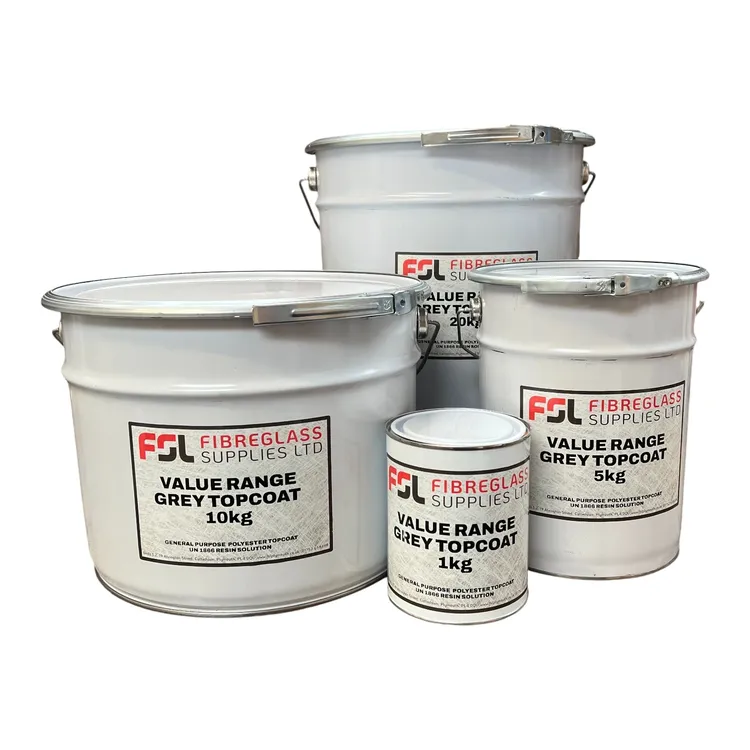
Topcoat is a waxed gelcoat designed to cure fully in open air. It is typically used as the final surface layer on roofing and exposed fibreglass installations. Topcoat leaves a hard, non-tacky finish without additional sealing.
#7 Catalyst Hardener
Catalyst, commonly MEKP, activates polyester resin and gelcoat. Accurate dosing is essential to ensure correct curing and strength. Incorrect ratios can result in brittle laminates or incomplete curing.
#8 Resin Mixing Buckets
Mixing buckets allow accurate preparation of resin and catalyst. Graduated buckets help maintain consistent ratios across batches. Clean mixing equipment reduces contamination and curing issues.
#9 Measuring Cups & Scales
Precise measurement is critical when working with fibreglass resins. Measuring cups and digital scales ensure correct ratios and repeatable results. This improves quality while reducing waste.
#10 Laminating Rollers
Laminating rollers remove trapped air and help resin penetrate fibreglass matting. This increases laminate strength and prevents weak spots. Different roller designs suit flat areas, corners and detail work.
#11 Brushes
Brushes are used to apply resin and work it into matting. Disposable brushes are ideal, as cured resin quickly hardens bristles. Using fresh brushes helps achieve an even and controlled application.
#12 Resin Spreaders
Spreaders distribute resin evenly across surfaces and matting. They are particularly useful for flat roofing and larger areas. Proper spreading reduces excess resin and improves laminate consistency.
#13 Acetone
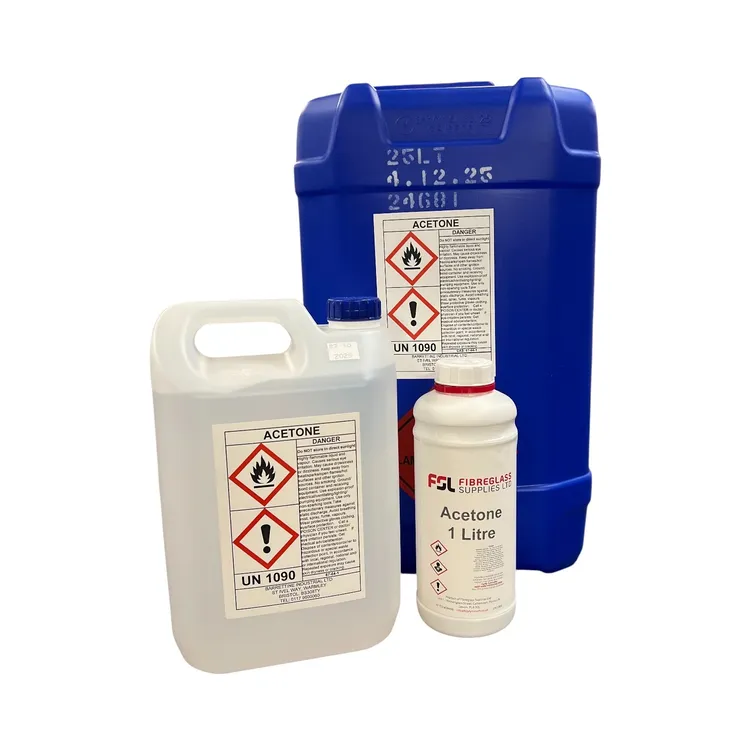
Acetone is used to clean tools and prepare surfaces before fibreglass application. It removes grease, resin residue and contaminants. Clean tools and substrates improve adhesion and finish quality.
#14 Protective Gloves
Chemical-resistant gloves protect hands from resin and solvents. Fibreglass materials can irritate skin on contact. Gloves improve safety and comfort during extended work.
#15 Respirators & Masks
Respiratory protection is essential when working with fibreglass fumes and dust. Proper masks reduce inhalation of harmful particles and vapours. This is especially important in enclosed environments.
#16 Safety Goggles
Safety goggles protect eyes from splashes, fibres and airborne dust. Eye protection reduces the risk of irritation and injury. Clear visibility also improves precision during application.
#17 Sandpaper & Abrasives
Abrasives are used for surface preparation and finishing. They improve adhesion between layers and smooth cured fibreglass. Selecting the correct grit ensures a clean, professional result.
#18 Release Agent
Release agents prevent fibreglass from bonding to moulds and tools. They are essential for mould making and repeat-use applications. A good release agent protects mould surfaces and simplifies demoulding.
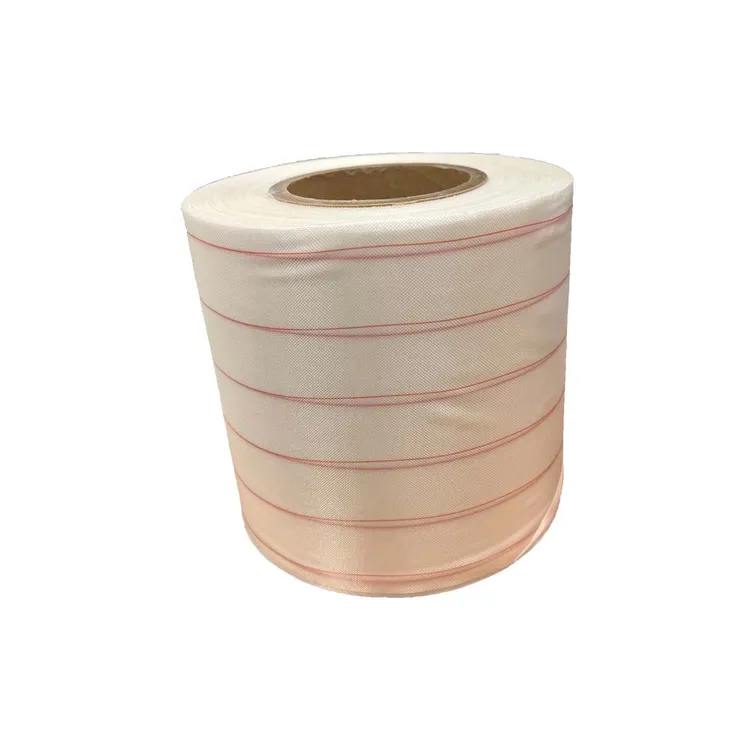
#19 Peel Ply
Peel ply creates a clean, textured surface ready for further bonding or finishing. It removes the need for sanding between layers. This saves time and improves laminate consistency.
#20 Fillers & Putties
Fibreglass fillers repair imperfections and shape surfaces before finishing. They create smooth transitions and improve cosmetic appearance. Quality fillers sand easily and bond securely to GRP.
#21 Reinforcement Tapes
Fibreglass tapes strengthen joints, seams and edges. They provide targeted reinforcement in high-stress areas. Tapes are particularly useful for roofing details and repairs.
#22 Surface Cleaner & Degreaser
Degreasers remove oil, dust and contaminants from substrates. Proper surface preparation improves resin adhesion. This reduces the risk of delamination or failure.
#23 Cutting Tools & Scissors
Sharp cutting tools ensure clean edges on fibreglass matting and cloth. Accurate cutting reduces waste and improves layup quality. Dedicated fibreglass scissors maintain performance over time.
#24 Protective Clothing
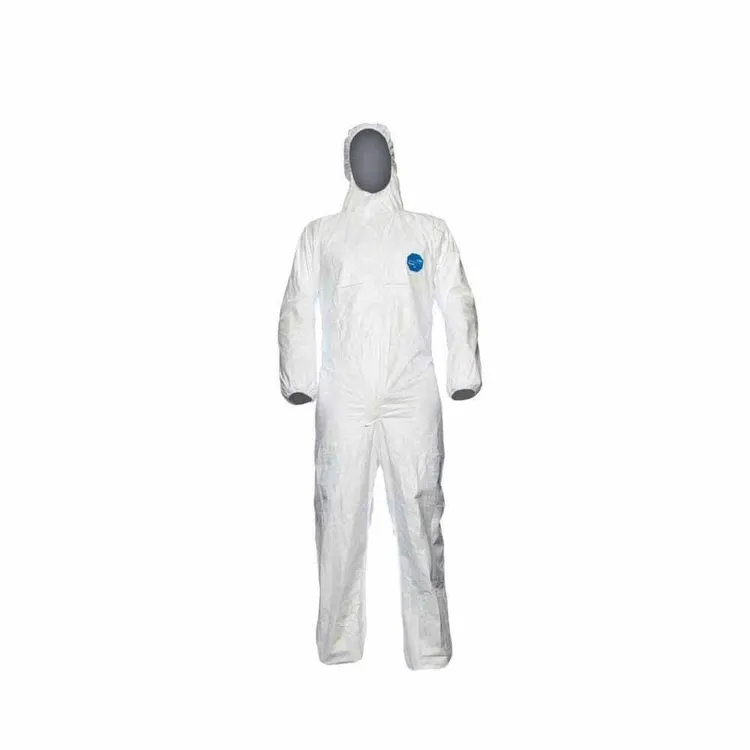
Disposable coveralls protect skin and clothing from fibres and resin. Fibreglass can irritate exposed skin during handling. Protective clothing improves comfort and cleanliness on site.