
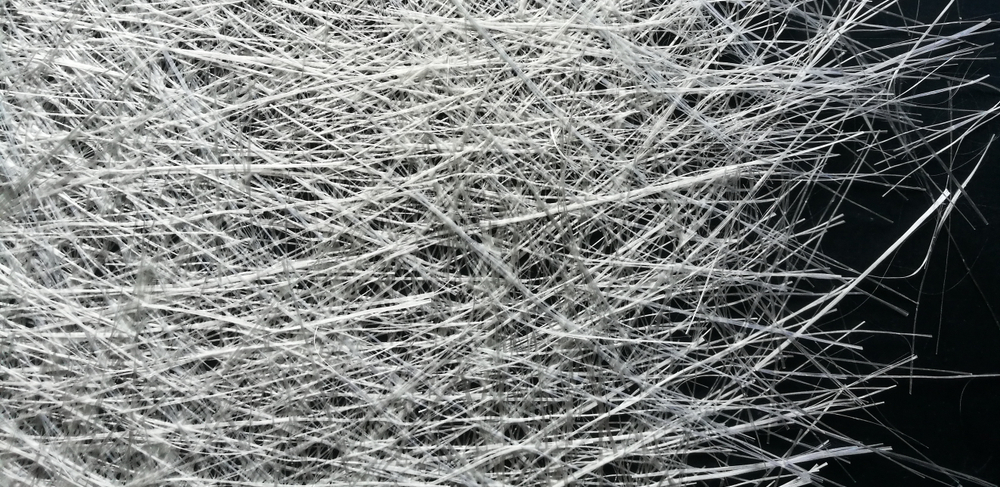
Few things are more frustrating than completing a fibreglass (GRP) project only to discover the pattern of the underlying glass fibres gradually becoming visible beneath what should be a smooth, professional finish. Known as print-through, this common issue can affect everything from boat repairs and moulds to roofing, automotive panels and bespoke fibreglass components. Although it may not always impact structural performance, it can significantly reduce the cosmetic quality and appeal of the finished part.
However, preventing GRP print-through begins long before the final coat of gelcoat or paint is applied...
The materials you choose, the way you prepare your surfaces, your laminating technique and your curing process all influence the final appearance. By understanding what causes print-through and how to minimise it, you can produce stronger, better-looking laminates that require less remedial work.
Whether you are an experienced fabricator, a professional boatbuilder or tackling your first fibreglass repair, investing in the right fibreglass supplies from the outset can save considerable time, effort and expense later. Simple additions such as surface tissue, high-quality resin systems and careful surface preparation can dramatically improve the appearance of your finished project.
In this Fibreglass Supplies guide, we explain what GRP print-through is, why it happens, and the practical steps you can take to reduce the risk. By following these recommendations, you'll be well equipped to achieve cleaner, smoother and more professional-looking fibreglass components that stand the test of time.
GRP print-through is the gradual appearance of the underlying reinforcement material pattern beneath the gelcoat or painted surface of a fibreglass laminate. The woven cloth or chopped strand mat becomes increasingly visible, leaving an uneven or textured finish that detracts from the overall appearance. In many cases, print-through develops after the laminate has fully cured as the resin naturally shrinks and conforms more closely to the reinforcement beneath. While largely cosmetic, it can make an otherwise high-quality project appear poorly finished.
Good material selection and careful manufacturing practices significantly reduce the likelihood of print-through. Understanding the causes allows you to address potential issues before they become visible on the finished component.
Key Considerations:
Selecting the correct reinforcement is one of the most effective ways to improve the cosmetic quality of a GRP laminate. Different reinforcement materials produce different surface characteristics, with some leaving a much more pronounced fibre pattern than others. Where appearance is important, combining structural reinforcement with a lightweight surface tissue creates a smoother transition beneath the gelcoat.
Surface tissue is specifically designed to form a fine surface layer that helps mask the texture of the structural reinforcement underneath. Products such as Taishan 30g Surface Tissue are commonly used in marine, automotive and industrial GRP applications where achieving a high-quality finish is a priority.
Choosing reinforcement wisely:
Even the highest-quality materials cannot compensate for poor surface preparation. Contaminants such as dust, grease, wax or uncured resin can interfere with adhesion and lead to surface imperfections that become more noticeable after curing. Thorough cleaning and preparation create the ideal foundation for a consistent laminate.
Using a high-quality degreasing solvent before laminating helps remove contaminants that may otherwise affect the finished appearance. Ensuring moulds and existing GRP surfaces are clean, dry and properly prepared contributes to better bonding and a more uniform finish.
Preparation Checklist:
Applying resin correctly is just as important as choosing the right materials. Excess resin generates additional heat during curing and increases shrinkage, while insufficient resin can leave dry areas within the laminate. Maintaining the correct resin-to-glass ratio produces a stronger laminate with improved cosmetic performance.
Allowing each layer to cure under suitable environmental conditions also helps minimise internal stresses that contribute to print-through. Consistent workshop temperatures, accurate catalyst ratios and avoiding excessive heat build-up all contribute to a more stable laminate.
Best Practice During Laminating:
Many cosmetic problems can be traced back to compromises made during material selection. While low price products may reduce initial project costs, they often require additional finishing work or produce inferior cosmetic results. Investing in trusted materials from the outset usually delivers better long-term value and a more professional finish.
Choosing reliable reinforcement materials, quality resins, suitable gelcoats and trusted preparation products helps produce consistent results across every stage of the project. Whether manufacturing new GRP components or carrying out repairs, using products designed for professional fibreglass applications gives you the best opportunity to minimise print-through.
Build Your Project With Confidence:
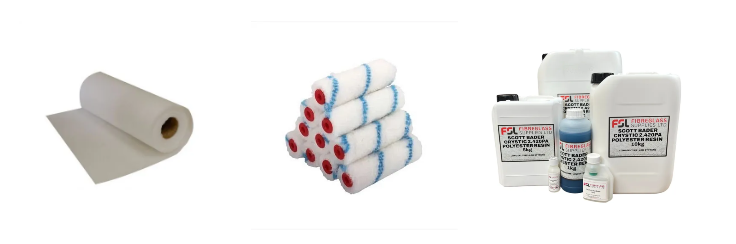
At Fibreglass Supplies, we offer a wide range of essential products to help you minimise the risk of print-through and achieve a professional, long-lasting finish. Whether you're manufacturing new fibreglass components, repairing damaged GRP or producing moulds, choosing the right combination of products can make all the difference to the final appearance of your project.
Our carefully selected range includes Taishan Surface Tissue, which creates a fine resin-rich barrier layer to help reduce the visibility of the underlying reinforcement pattern. We also supply Scott Bader Crystic 2.420PA Polyester Resin, offering controlled curing characteristics for larger laminates, and Blue Stripe Resin Rollers for even resin distribution and effective laminate consolidation.
To further improve the quality of your finished laminate, we also stock premium gelcoats for durable, high-quality cosmetic finishes, Barrettine 100% Pure Acetone for thoroughly cleaning and degreasing moulds, tools and GRP surfaces before laminating, and a comprehensive range of chopped strand mat and woven glass reinforcements to suit everything from lightweight repairs to heavy-duty structural laminates. Whatever your project, you'll find the specialist materials and expert advice you need to produce stronger, cleaner and more professional GRP components.
Although GRP print-through is one of the most common cosmetic challenges in fibreglass manufacturing and repair, it is also one of the most preventable. By understanding the causes and choosing suitable materials, preparing surfaces correctly and following good laminating practices, you can dramatically reduce the likelihood of reinforcement patterns becoming visible beneath the finished surface.
Whether you're producing marine components, repairing fibreglass panels, installing GRP roofing or manufacturing mouldings, investing in quality materials and proven techniques will reward you with stronger, more attractive results. A little extra care during preparation and lamination goes a long way towards achieving the professional finish every GRP project deserves.


