
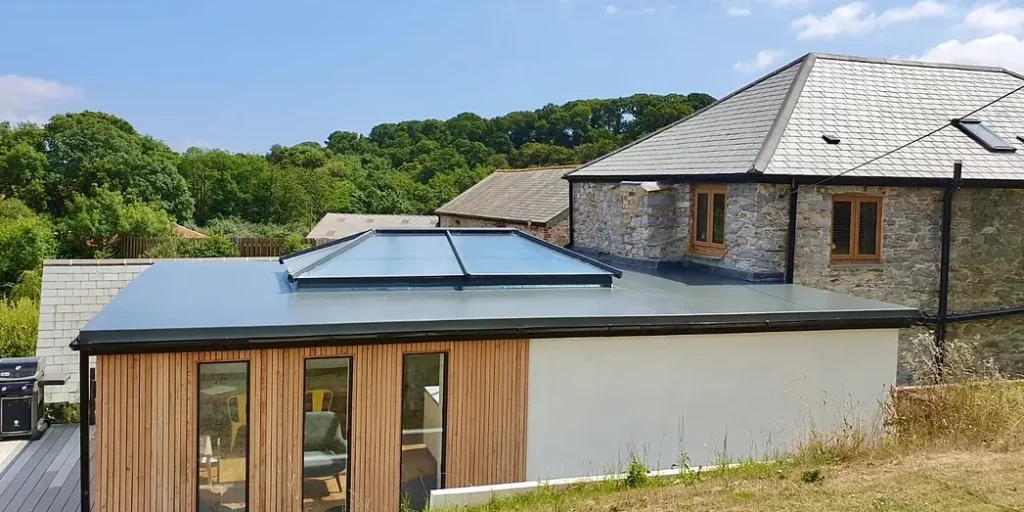
Fibreglass roofing is widely regarded as one of the most durable and long-lasting flat roofing systems available, but even the highest-quality GRP roof repairs can fail if the surface has not been cleaned and degreased correctly beforehand.
Dirt, grease, moisture, old resin residue and airborne contamination can all interfere with adhesion, leading to costly issues such as peeling topcoat, weak laminate bonding and premature roof failure. Whether you are carrying out a small patch repair or a full fibreglass roof refurbishment, proper preparation is one of the most important stages of the entire process.
Many roofing problems that appear to be caused by poor materials are often the result of inadequate surface preparation. Contaminants trapped beneath resin or topcoat can prevent a proper bond from forming, especially in areas exposed to standing water, moss growth, pollution or foot traffic. Cleaning and degreasing may seem like a simple step, but it has a direct impact on the durability, finish quality and lifespan of your GRP roofing system.
Using a professional-grade solvent such as Barretine 100% Pure Acetone can make a significant difference when preparing fibreglass roofing surfaces for repair work. Designed specifically for GRP roofing, boat building and fibreglass applications, acetone quickly removes grease, resin residue, adhesives and surface contamination while evaporating rapidly to leave surfaces clean and ready for laminating or topcoating. It is also highly effective for cleaning laminating rollers, brushes and fibreglass tools after use.
However, skipping the correct cleaning and degreasing process can create serious long-term issues. Resin may struggle to cure correctly, topcoats can fisheye or separate, and repairs may weaken over time due to poor adhesion beneath the surface.
In this guide, Fibreglass Supplies explains how to properly clean and degrease a fibreglass roof before repairs, the common mistakes to avoid and why using the right GRP cleaning products is essential for achieving professional, long-lasting results.
Before carrying out any fibreglass roof repair, it is vital to ensure the surface is completely free from contaminants that could interfere with resin adhesion. Over time, GRP roofing systems can accumulate dirt, oils, traffic residue, algae, old waxes and atmospheric pollution, all of which can weaken the bond between the existing roof surface and newly applied materials. Even surfaces that appear visually clean can still contain invisible grease or moisture that affects the repair process. Proper cleaning and degreasing helps create a stable, contamination-free surface for fibreglass resin and topcoat application.
Acetone is commonly used throughout the fibreglass industry because of its ability to dissolve grease, soften resin residue and evaporate quickly without leaving heavy residues behind. Professional roofing contractors and serious DIY installers rely on industrial-grade acetone to improve adhesion and achieve a cleaner finish during GRP roofing repairs. Using a high-purity solvent such as Barretine 100% Pure Acetone helps ensure contaminants are removed effectively before laminating begins.
Fibreglass roofs are constantly exposed to environmental contamination, particularly on flat roofs where standing water, airborne dirt and organic growth can build up over time. Moss, algae and lichen are particularly common on older GRP roofing systems and can trap moisture beneath the surface if not removed correctly. Oils from foot traffic, nearby machinery or atmospheric pollutants may also leave residues that affect resin curing and surface adhesion. So, understanding the types of contamination present is important before selecting the correct cleaning method.
Roofing repairs carried out over contaminated surfaces often fail prematurely because resin struggles to penetrate and bond with the underlying laminate. Even sanding alone may not fully remove grease or silicone contamination, which is why a dedicated degreasing stage is essential. Using acetone after mechanical cleaning helps remove hidden contaminants that may remain embedded within the roof surface.
The first step when preparing a GRP roof for repair is to remove all loose dirt, debris and organic growth from the surface. A stiff brush or suitable roof cleaning equipment can help remove moss and heavy contamination before any solvent cleaning begins. Once the roof has dried fully, acetone can then be applied using a clean lint-free cloth to degrease the repair area thoroughly. Working in manageable sections helps ensure contaminants are lifted away rather than spread across the roof surface.
It is important to avoid oversaturating the surface or allowing contaminated cloths to transfer grease back onto cleaned areas. Always use fresh cloths where possible and ensure adequate ventilation during the cleaning process. Because acetone evaporates quickly, surfaces should be prepared and repaired promptly after cleaning to minimise the risk of new contamination settling onto the roof.
Barretine 100% Pure Acetone is specifically formulated for professional fibreglass and GRP applications where reliable cleaning performance is essential. Its industrial-grade purity makes it highly effective at dissolving resin residue, grease and adhesives without leaving heavy residues behind. This makes it ideal not only for GRP roofing repairs, but also for boat building, mould making and general fibreglass fabrication work. The fast evaporation rate also helps reduce waiting times during roofing projects.
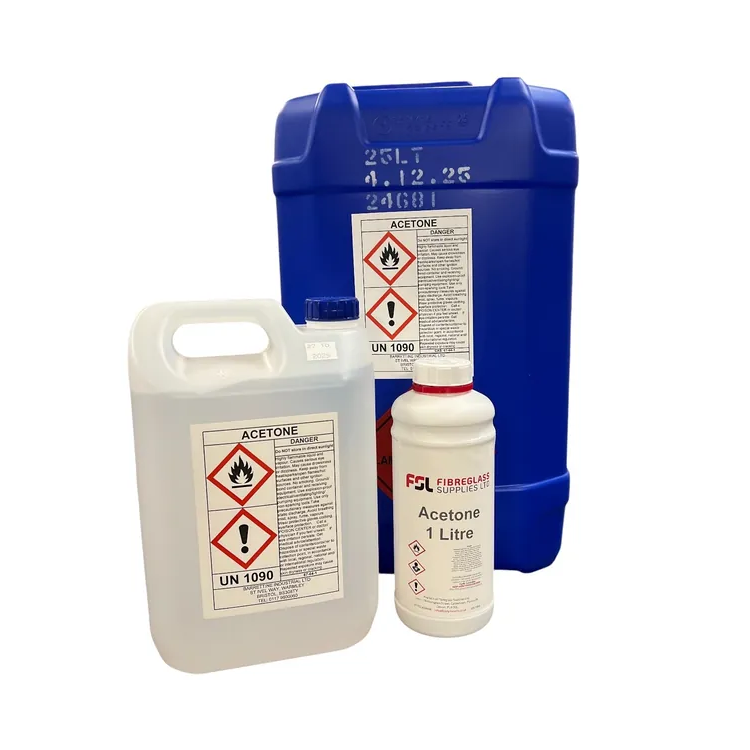
In addition to surface preparation, acetone is widely used for cleaning laminating brushes, rollers and fibreglass tools before resin hardens. This can help extend the life of expensive roofing equipment while maintaining cleaner, more professional application results. Available in sizes ranging from 1 litre to 200 litres, Barretine Pure Acetone is suitable for both small DIY fibreglass repairs and large-scale commercial roofing projects.
Although acetone is highly effective for fibreglass cleaning and degreasing, it must always be used safely and responsibly. Acetone is classified as highly flammable and should only be used in well-ventilated outdoor areas away from open flames, sparks or ignition sources. Appropriate protective equipment such as gloves and eye protection should always be worn during handling to minimise skin and eye contact. Containers should also be stored securely in cool, dry conditions when not in use.
Roofing contractors and DIY installers should avoid excessive inhalation of solvent vapours, particularly during warm weather or large-scale projects where significant quantities may be used. It is also important to dispose of contaminated cloths and waste materials responsibly in accordance with local regulations. Following proper safety procedures helps ensure fibreglass roofing repairs can be completed safely and professionally.
Successful fibreglass roof repairs depend heavily on the quality of surface preparation carried out before laminating or topcoating begins. Cleaning and degreasing may appear to be a minor stage of the process, but it plays a major role in achieving strong adhesion, professional finishes and long-lasting repair performance. Contaminants such as grease, moss, silicone and resin residue can all compromise fibreglass roofing systems if not removed correctly before repair work starts.
Using a trusted professional product such as Barretine 100% Pure Acetone helps ensure roofing surfaces, tools and repair areas are properly prepared for GRP applications. Whether you are a roofing contractor, boat builder or DIY fibreglass installer, investing time in proper cleaning and degreasing can help avoid costly failures and improve the overall quality of your repairs. For anyone working with fibreglass roofing systems, effective preparation remains one of the most important steps in achieving durable, reliable and professional results.


